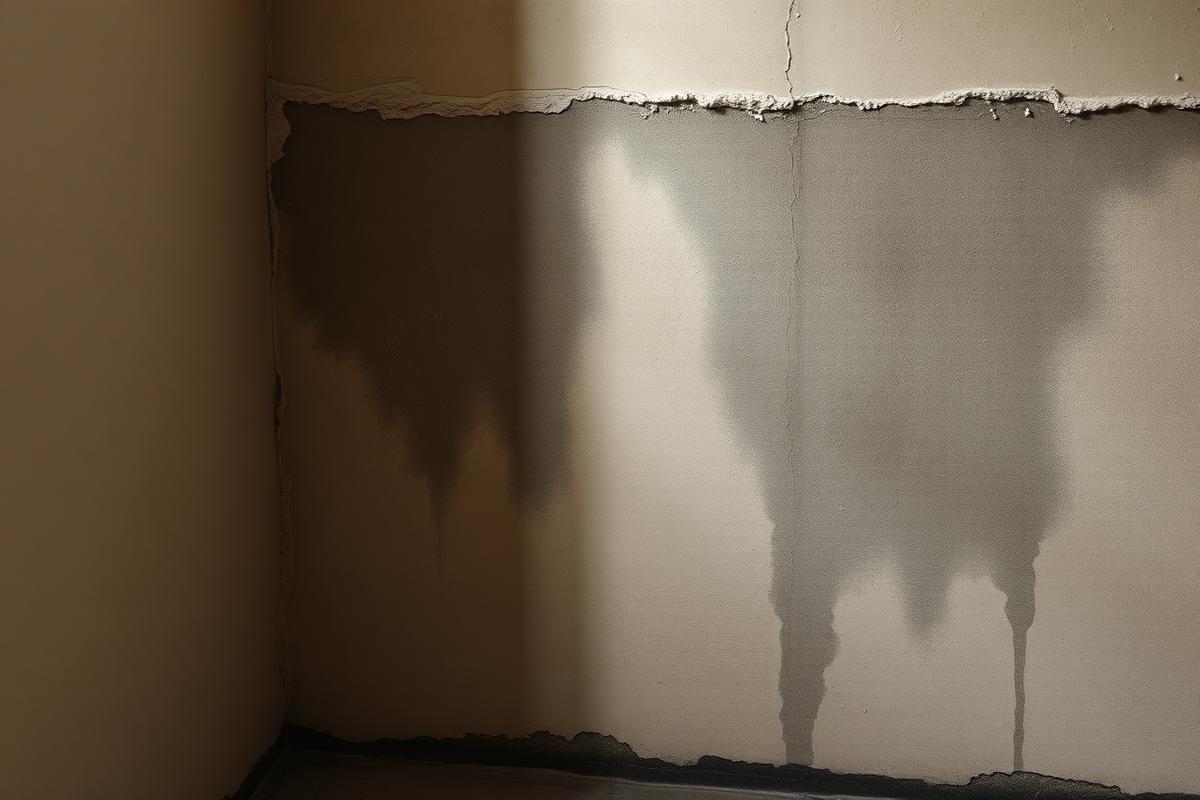
The most common thing patients say when we bring up mold is that Colorado is too dry for that. Dry air does not prevent mold. Water does not care about the regional average humidity, it cares about the pipe that leaked behind the drywall in 2019.
Where we find it in south Denver homes
- Finished basements with a past sump pump failure or foundation seepage.
- Behind dishwashers, refrigerators and under sinks after a slow supply line leak.
- Attics and roof lines after ice dams and spring snow melt.
- Bathrooms with poor exhaust ventilation.
- Crawl spaces and HVAC systems that distribute spores through the entire house.
Symptoms that raise the question
- Fatigue and brain fog that improve when you travel and return when you come home.
- Chronic sinus congestion, post nasal drip or recurring sinus infections.
- New sensitivity to smells, chemicals or foods.
- Air hunger, headaches, unexplained anxiety or insomnia.
- Multiple people in the same household with different but persistent symptoms.
- Symptoms that started after a move or after a water event.
How we test
We use urine mycotoxin testing, which measures the toxic byproducts your body is clearing. Mycotoxins are the reason mold makes people sick, so measuring them directly is far more useful than a general allergy test. We pair it with inflammatory markers, immune panels and often a comprehensive stool analysis, since mold exposure and gut dysbiosis reinforce each other.
Testing the person and the building
Both matter. If your labs show a mycotoxin burden, the exposure source has to be found and remediated or the body keeps refilling. We help patients interpret home inspection results and sequence the work so detoxification support begins at the right time, not while exposure is ongoing.
What recovery looks like
Remove exposure, open drainage and elimination pathways, support binders and liver clearance appropriately, then rebuild immune and mitochondrial function. It is a phased process, and it works far better when it is guided by testing at each stage rather than by a protocol found online.